
Same-Day Gastric Sleeve®
Safer Surgery, Faster Recovery
No hospital stay, home within hours*
Lose up to 35% of your body weight
Back to work in as little as 3 days
100% Risk-Free — No obligation to move forward with surgery.
Benefits of Same-Day Sleeve®
Compared to most traditional gastric sleeve procedures, Same-Day Sleeve® patients typically experience:
Lower complication rates
Faster recovery
Reduced nausea
Minimal pain levels
Earlier mobility after surgery
How is this possible? Our physicians have pioneered advanced surgical techniques, optimized anesthesia as well as pain minimization protocols designed specifically to improve recovery after bariatric surgery.
We then built a state-of-the-art bariatric surgery program at both our nationally recognized hospital and surgery center.
Thereby creating a more efficient, controlled, and recovery-focused experience than traditional surgical settings.
Safest Weight Loss Procedure
Same-Day Sleeve® is generally considered the safest approach to weight loss surgery.
In fact, the risk of serious complications from sleeve surgery are typically lower than the risks associated with a c-section, hysterectomy, or gallbladder removal.
This is, in large part, because the Same-Day Sleeve® involves shorter operating times, fewer surgical steps, and no intestinal rerouting — all of which contribute to lower complication rates.
How Much Weight Can I Lose
Describe the item or answer the question so that site visitors who are interested get more information. You can emphasize this text with bullets, italics or bold, and add links.
Insurance Coverage
Weight loss surgery is covered by most major insurance plans, with some patients paying as little as $0 out of pocket.
To find out if your specific plan includes coverage — and exactly what your out-of-pocket cost would be — schedule a consultation.
Scheduling a consultation allows us to verify your insurance and estimate your out-of-pocket costs.
We do not accept Medicaid, Tricare, or VA insurance plans.
Cash Pay & Financing
We offer some of the lowest self-pay pricing in the country, with flexible financing available to make surgery more accessible.
Standard Cash Pay Pricing
Same-Day Gastric Sleeve: $10,500 or $284/month
SADI-S: $13,355 or $361/month
Gastric Bypass: $21,780 or $588/month




The #1 Clinic For
Weight Loss Surgery
The #1 Clinic For Weight Loss Surgery
4 Reasons Why You Should
Choose Same-Day Sleeve®

Faster Recovery
Patients experience far less nausea, minimal pain, and can be back at work in as little as 3 days, when compared to traditional gastric sleeve surgery,

Substantial Weight Loss
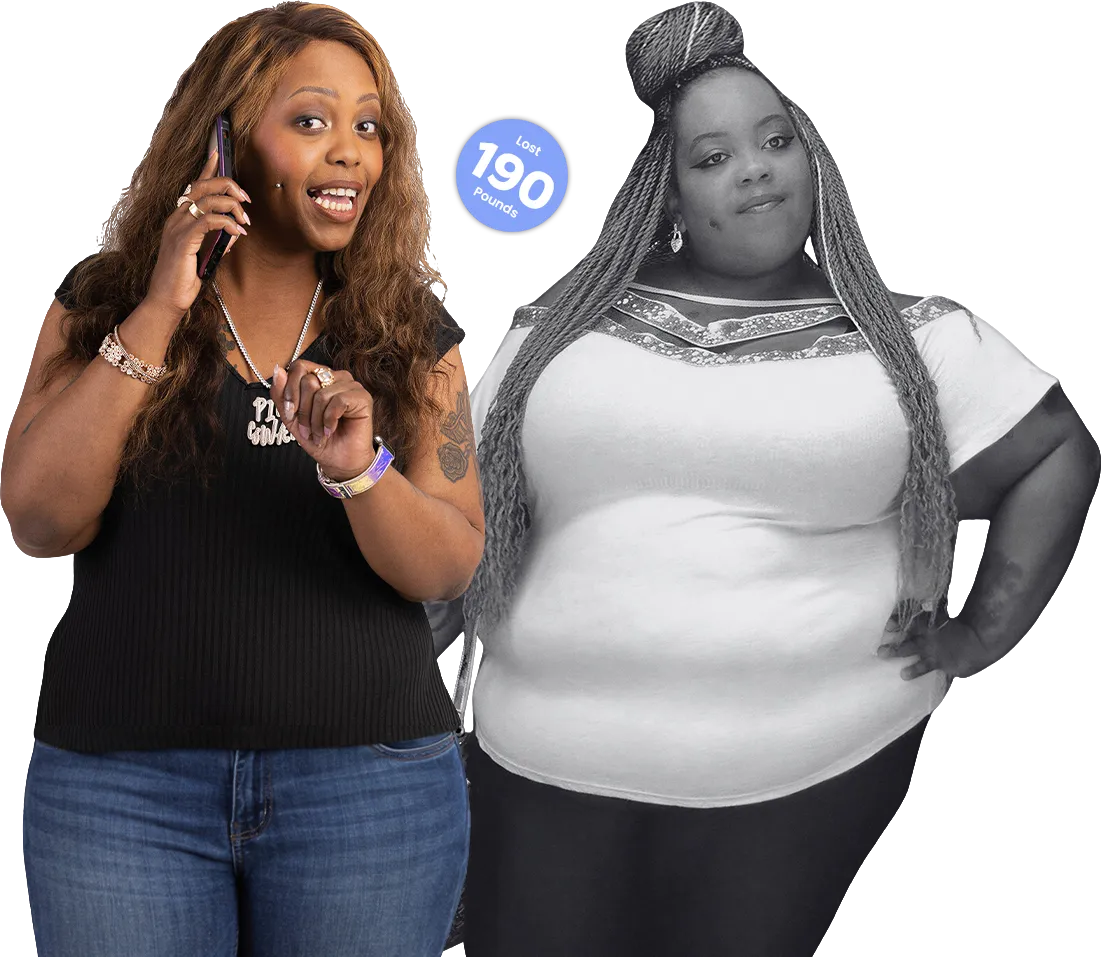
One of the most effective treatments for maximizing weight loss, producing 3x more average weight loss than GLP-1’s.

Lowest Complication Rates
Considered the safest weight loss procedure, with complication rates often lower than C-sections, hysterectomies, and gallbladder surgery.

Long-Term Results
Patients typically experience permanent, life-long weight loss, unlike GLP-1 medications or diet programs.
A Revolutionary Approach To Gastric Sleeve Surgery
What Makes The Same Day Sleeve Unique
Our physicians pioneered advanced surgical techniques, optimized anesthesia, and modern recovery protocols — all delivered in our state-of-the-art hospital or our private bariatric surgery center — to improve recovery and create a more efficient, controlled experience than traditional hospital settings.
How The Procedure Works
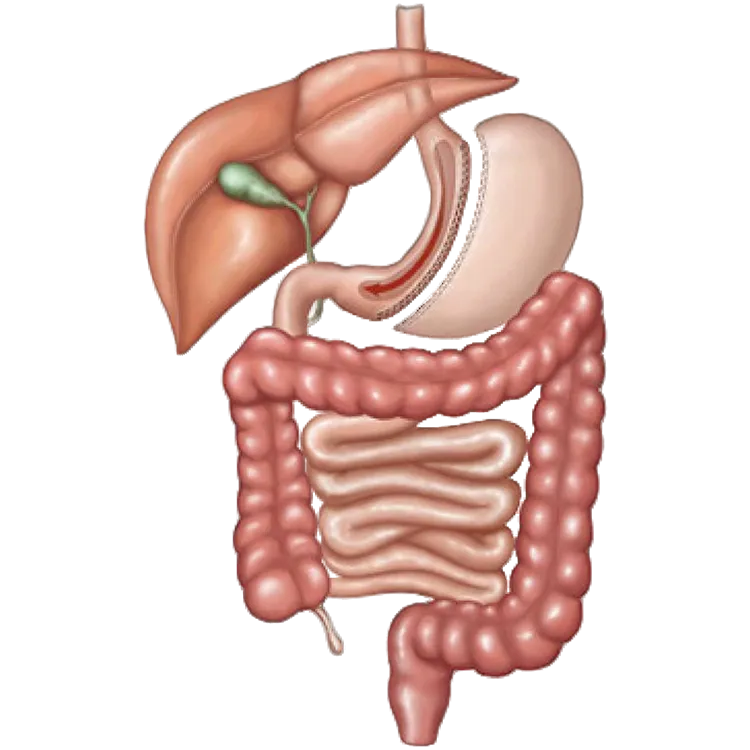
During the procedure, we remove around 80% of the stomach, leaving a smaller, sleeve-shaped stomach so you feel full faster, eat less, and experience fewer cravings.
A Revolutionary Approach To Gastric Sleeve Surgery
What Makes The Same Day Sleeve Unique
Our physicians pioneered advanced surgical techniques, optimized anesthesia, and modern recovery protocols — all delivered in our state-of-the-art hospital or our private bariatric surgery center — to improve recovery and create a more efficient, controlled experience than traditional hospital settings.
How The Procedure Works
During the procedure, we remove around 80% of the stomach, leaving a smaller, sleeve-shaped stomach so you feel full faster, eat less, and experience fewer cravings.
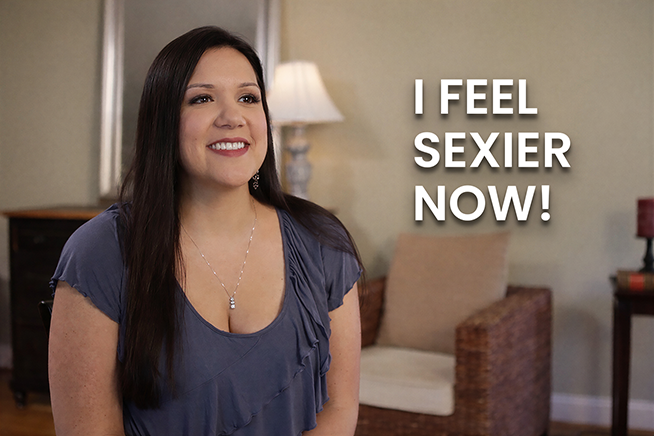
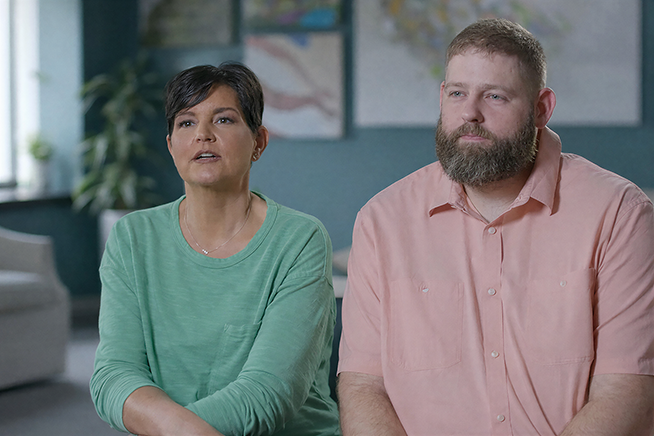
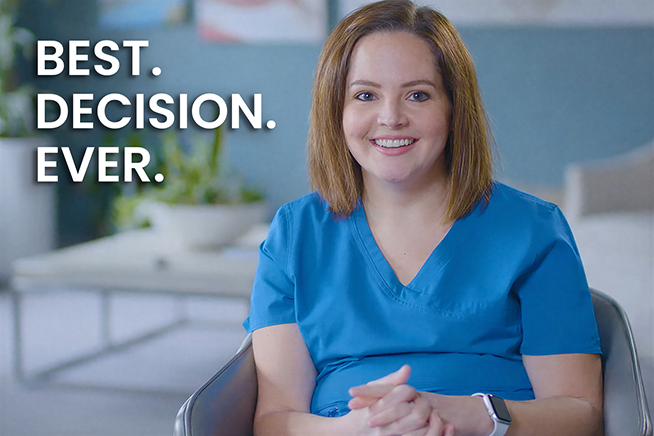
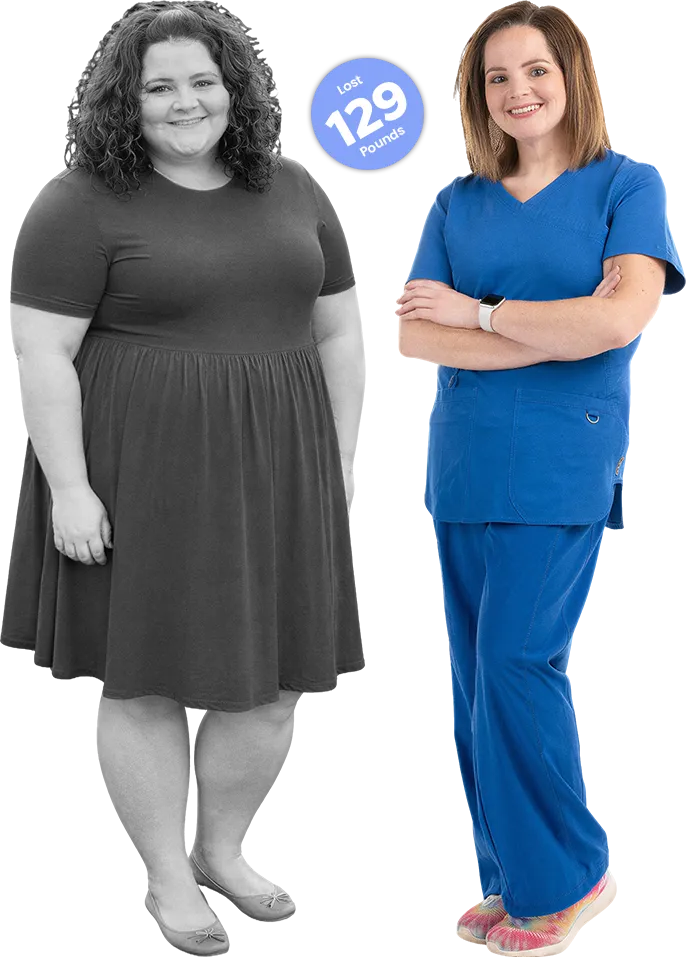
Real Patients. Real Results.
with gastric sleeve

with gastric sleeve
with gastric bypass
with weight loss surgery
with gastric sleeve
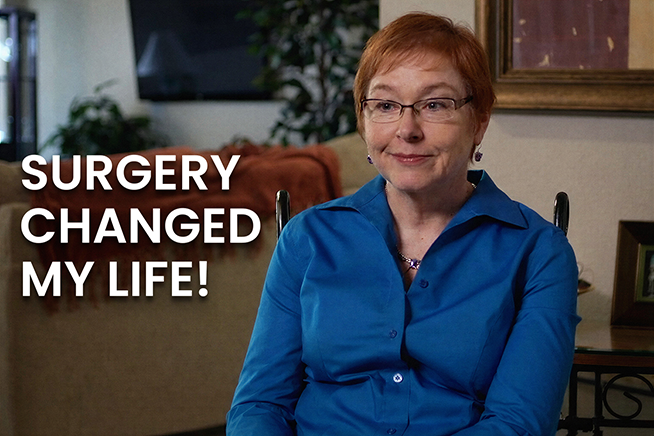
...I don’t have any more pain in my body. I don’t have anxiety or depression anymore. I’ve been told I smile and laugh more. I’ve been told I’m happier. I’ve been told I have so much more confidence than I have in my entire life and that it shows to others.”
with gastric sleeve
with gastric bypass
with weight loss surgery
with gastric sleeve
Why Thousands of Patients Choose Nicholson Clinic
Faster Recovery Times
During the procedure, we remove around 80% of the stomach, leaving a smaller, sleeve-shaped stomach so you feel full faster, eat less, and experience fewer cravings.
Extensive Surgical Experience
Our surgeons have helped shape modern bariatric techniques and have performed more weight loss procedures than most practices in the country
Lifetime Patient Support
Support doesn’t stop after surgery. We’re one of the only practices that offers patients ongoing access to dietitians, fitness guidance, and long-term follow-up.
Lowest Prices in Texas
We operate our own, state-of-the-art bariatric surgery center, allowing us to keep pricing significantly lower than hospital-based programs.
Long-Term Weight Loss Is Just One of Many Benefits...
Lifetime Access to Our Bariatric Support Team
Because we set our patients up for lifelong success, not short-term weight loss.
Personal Trainers
Complimentary personal exercise sessions with programs tailored to your recovery stage, mobility, and weight-loss goals.
These sessions help you build strength safely, stay consistent, and maintain long-term results after surgery.
Registered Dietitians
Access to registered dietitians who guide your nutrition before and after surgery, helping you build sustainable eating habits that support healing, weight loss, and long-term success.
Bariatric Mobile App
Free access to the Baritastic app lets you track meals, weight, habits, and progress in one place—keeping you accountable and supported between visits.
Patient Care Advocates
Free access to a dedicated Patient Care Advocate gives you a 1:1 concierge who manages every pre-surgery step—from insurance requirements and appointments to clearances and pre-op preparation—so nothing falls through the cracks.
Patient-To-Patient Support Groups
Free patient-to-patient support groups connect you with thousands of others on the same journey, providing real-world encouragement, shared experiences, and accountability before and after surgery.
Real Patients. Real Results.

Dr. Nick Nicholson, M.D.
Founder & Managing Partner
Dr. Nicholson is an industry-leading bariatric surgeon known for shaping modern weight loss surgery and training physicians globally.
Trains surgeons worldwide, advises Fortune 500 companies on surgical technologies and techniques
Holds multiple medical device patents and is a published author in the field of bariatrics

Dr. Thomas Roshek, M.D.
Partner & Chief Medical Director
Dr. Roshek is nationally recognized as a bariatric surgeon, educator, & author who has transformed the lives of thousands of patients.
Fellow of the American College of Surgeons and ASMBS
Faculty & teacher of laparoscopic and endoscopic procedures to attendees at national conferences

Dr. Brian Long, M.D.
Partner & Chief Medical Officer
Dr. Long is a distinguished bariatric surgeon with extensive military surgical leadership experience and decades of operative practice.
Former Chief of Bariatric Surgery, Walter Reed Army Medical Center
Named one of D Magazine’s “Best Doctors in DFW” multiple consecutive years
Dr. Nick Nicholson, M.D.
Founder & Managing Partner
Dr. Nicholson is an industry-leading bariatric surgeon known for shaping modern weight loss surgery and training physicians globally.
Trains surgeons worldwide, advises Fortune 500 companies on surgical technologies and techniques
Holds multiple medical device patents and is a published author in the field of bariatrics
Dr. Thomas Roshek, M.D.
Partner & Chief Medical Director
Dr. Roshek is nationally recognized as a bariatric surgeon, educator, & author who has transformed the lives of thousands of patients.
Fellow of the American College of Surgeons and ASMBS
Faculty & teacher of laparoscopic and endoscopic procedures to attendees at national conferences
Dr. Brian Long, M.D.
Partner & Chief Medical Director
Dr. Long is a distinguished bariatric surgeon with extensive military surgical leadership experience and decades of operative practice.
Former Chief of Bariatric Surgery, Walter Reed Army Medical Center
Named one of D Magazine’s “Best Doctors in DFW” multiple consecutive years
Got questions?
We've got answers.
Q: What are the potential risks and complications of bariatric surgery?
Bariatric surgery, while not without risks, is safe, especially when compared to other surgical procedures. Common risks include infection, bleeding, and blood clots, which are inherent to many surgeries but are typically manageable. Gastrointestinal issues and nutritional deficiencies can be addressed through careful postoperative management. The long-term complications, such as gallstones and hernias, are infrequent and can be effectively treated. It's important to recognize that the safety profile of bariatric surgery, combined with its potential benefits for severe obesity, makes it a viable and often successful option for individuals who have not found success with other weight loss methods.
Q: Are there dietary restrictions after bariatric surgery?
Yes, dietary restrictions are a crucial aspect of post-bariatric surgery care. Patients typically undergo a gradual transition from a liquid to a solid diet. Initially, a clear liquid diet is followed, progressing to pureed and soft foods before incorporating regular solid foods. It's important to prioritize protein intake to support healing and muscle preservation. High-sugar and high-fat foods are often restricted to prevent complications and aid weight loss. Additionally, portion control becomes essential, as the surgery alters the digestive system's capacity. Following the recommended dietary guidelines is crucial for successful weight loss, nutrient absorption, and overall well-being after bariatric surgery.
Q: What are the long-term health benefits of bariatric surgery?
Bariatric surgery can yield significant and sustained health benefits over the long term for individuals with severe obesity. Notable advantages include substantial weight loss, which can lead to improved management or resolution of obesity-related conditions such as type 2 diabetes, hypertension, and sleep apnea. The surgery often results in enhanced mobility, reduced joint pain, and a lowered risk of cardiovascular diseases. Long-term improvements in overall quality of life, mental well-being, and self-esteem are frequently reported. Additionally, bariatric surgery has shown to decrease the risk of certain cancers associated with obesity. Successful long-term weight loss can contribute to increased life expectancy, making bariatric surgery a valuable option for individuals struggling with severe obesity and its related health concerns.
Q: How long will it take to see results after bariatric surgery?
The timeline for seeing results after bariatric surgery varies among individuals, but significant weight loss typically begins within the first few months. In the initial weeks, patients often experience a rapid drop in weight due to reduced calorie intake and changes in metabolism. Over the first year, most individuals can expect to achieve the majority of their ultimate weight loss. However, the rate of weight loss tends to slow down in the second year.
Nonetheless, individual experiences may differ, and factors such as adherence to post-surgery guidelines, physical activity, and metabolic differences can influence the pace of weight loss. Beyond weight loss, improvements in obesity-related health conditions like diabetes and hypertension may be observed relatively early after surgery, enhancing overall well-being.
Disclaimers:
*Over 80% of our gastric sleeve patients go home the same day and do not require an overnight hospital stay; however, discharge timing is determined by your physician based on individual medical needs and safety considerations.
**The testimonials, statements, and opinions presented on our website and
social media are applicable to the individuals depicted. Results will vary and may not be
representative of the experience of others. For more information, please read our
Testimonial Disclaimer.
Copyright © 2026, Nicholson Clinic. All rights reserved.
POLICIES